
Editors do not need another “excited to announce” email. They need a specific product-news story: what shipped, for whom, what is new, and why it matters now. This checklist helps beauty and style founders draft a credible launch brief. Examples are hypothetical. No PR outcomes are promised.
Product-news checklist
- One-sentence news: Product + audience + change. Example: “Guapa launches a leave-in mist for curly hair with a bilingual instruction card.”
- Why now: Season, reformulation, first retail door, or first public batch, not “vibes.”
- Proof assets: Real photos, founder available for quote, ingredients or materials sheet, price, and where to buy.
- Limits: What you will not claim. No invented clinical results.
- Embargo / date: Clear timing. Missed embargoes burn trust.
- Contact: One reachable human with timezone.
Weak vs stronger briefs
Weak: “Guapa is redefining beauty for the modern woman with luxurious formulas and empowering energy. Influencers love us.” Problems: no news, unverifiable praise, no product specificity, no date, no price, no where-to-buy.
Stronger: “On October 14, Guapa ships its first leave-in mist ($28, 150 ml) for curly hair, with Spanish/English directions and refill pouches in the second batch. Founder available. Product images attached. U.S. shipping only at launch.” Problems solved: date, SKU, price, language angle, constraint, contactability.
Spanish dictionary names can be part of the story when the gloss is accurate and not oversold. Point to a primary definition such as the RAE’s guapo / guapa entry when you explain meaning; do not invent folklore about ancient beauty rituals the brand did not research.
Build the asset kit before you pitch
Editors and producers move faster when the kit is complete. Assemble:
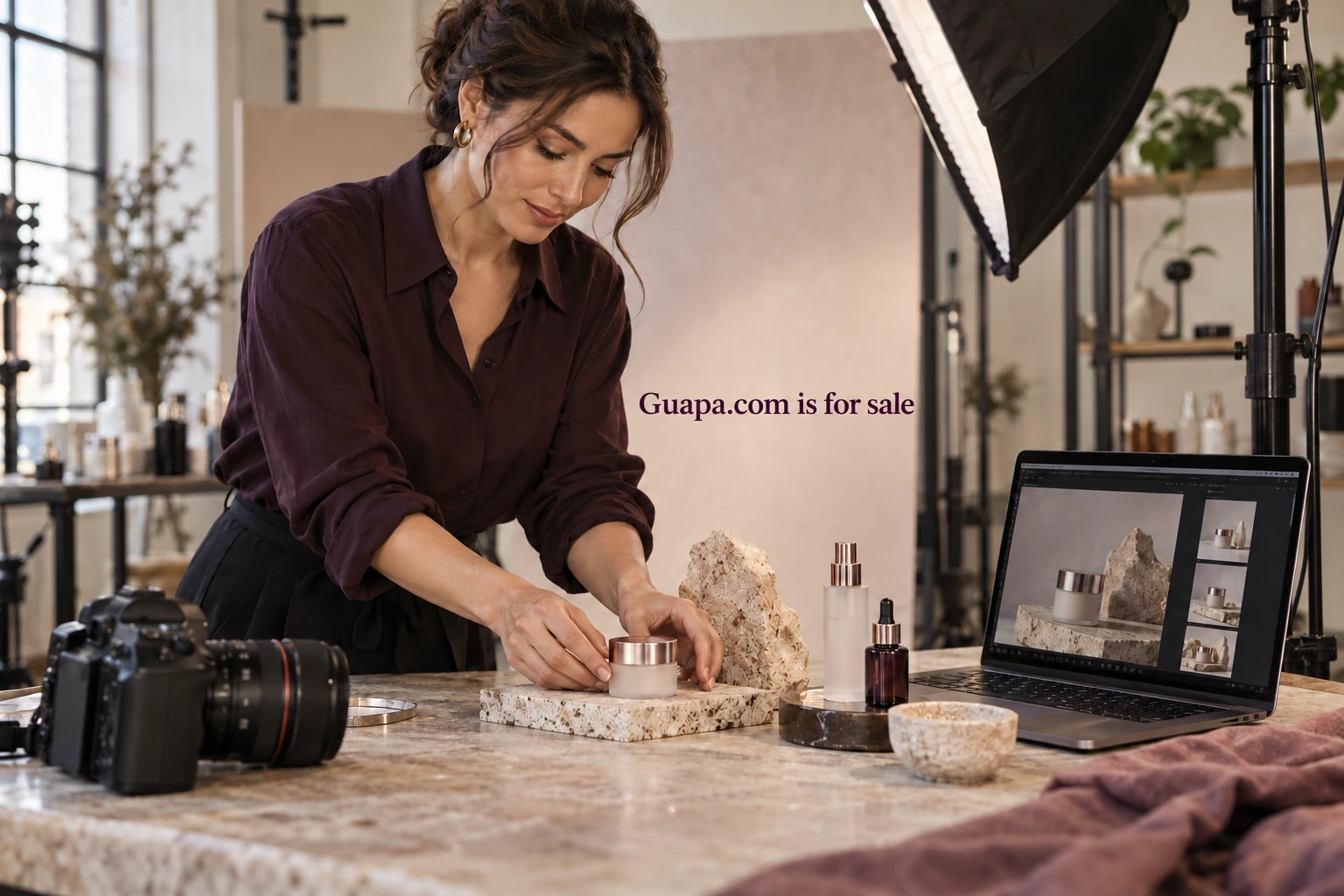
- Three to five real product photos (hero, in-hand scale, ingredients or label detail) with rights cleared for press use.
- A 125-word boilerplate that stays stable across pitches.
- A founder bio under 80 words with one credential that is true, not a stacked fantasy resume.
- Fact sheet: SKU, size, price, ingredients summary, shipping regions, retail doors if any.
- One suggested pull-quote the founder will actually say on a call.
- Embargo line and publish-ready URL (Guapa.com/… that resolves on the day).
Do not attach a 40MB brand film as the first asset. Do not send a pitch that depends on a passworded landing page the editor cannot open. Do not promise samples you cannot ship in the embargo window.
Choose the right outlet tier for day one
Not every launch belongs in a national beauty vertical on day one. Match the news size to the outlet:
- Local / city: First brick-and-mortar door, founder from the city, pop-up dates.
- Category newsletters and niche blogs: Specific routine tips, bilingual packaging, curly-hair angle with real how-to.
- Trade / indie retail: Wholesale availability, MAP, materials story.
- Larger consumer beauty: When you have a clear novelty, stocked URL, and samples ready, not only a mood.
A small relevant outlet can be a sensible first contact when its readers match the product. Keep a living list of ten outlets with a named editor or writer when possible. Mass CC lists signal that you did not read the section.
Embargo and timing discipline
If you use an embargo, state the date and time with timezone. Confirm the editor accepted it. Do not quietly change the product price the morning of publication without a note. If the product is not actually shipping on the stated day, you do not have news. Choose a date the team can support.
Seasonal pegs work when they are real: humid-weather mist in late spring, holiday gift sets with a ship-by date, back-to-school kits with a student audience you can describe. Fake urgency (“only 48 hours left!!”) in a pitch email usually ends in delete.
Quotes that help vs quotes that waste space
Weak quote: “We’re passionate about empowering beauty journeys.” Problems: interchangeable with a hundred other brands; no fact.
Stronger quote: “We printed Spanish and English directions on the first batch because our sample list kept asking which side of the card to read first.” Problems solved: observable detail, language angle, product reality.
Train the founder to answer three questions cold: What is it? Who is it for? What will you not claim? Those answers prevent the interview from drifting into unverifiable miracle language that editors will not print, or worse, will print and you will regret.
Decide who will handle inquiries
Choose one person to answer journalists, check product facts, and arrange samples. Keep an availability calendar next to the launch brief. A writer who requests a photograph should receive the correct high-resolution file with a caption and clear usage permission. If help is hired later, agree who approves claims and who can confirm dates before anyone sends a pitch.
Follow-up without burning the relationship
If the outlet has no stated follow-up policy, allow several business days before one brief follow-up. A daily nudge is not. If an editor declines, thank them and keep the relationship warm for a later SKU. Do not argue that they “missed a groundbreaking moment.” If they ask for an exclusive, decide whether the exclusivity window is worth it before you agree; put the window in writing.
After coverage, send a short thank-you with a link to the live piece and any correction needed. Do not dunk on an outlet on social for a headline you dislike if the facts were fair. Keep corrections factual and direct.
Sample one-page brief outline
Use this outline as a plain-text email body (hypothetical fields shown):
- Subject: Guapa Leave-In Mist ships October 14: bilingual card, $28 / 150 ml
- Lead sentence with news + date + where to buy
- Why now (one paragraph, factual)
- Product facts (bullets)
- What we will not claim (one line)
- Assets attached / link to kit
- Embargo line or “for immediate release”
- Contact name, email, phone, timezone
Read it aloud. If you hear adjective stacks without nouns, cut. If you cannot answer “what changed this week?” in one breath, you do not have a launch story yet. You have a brand description. Wait until the batch date is real.
Next step
Draft the stronger brief against the checklist, assemble the asset kit, and pick ten outlets that match the news size. If you need Guapa.com as the launch address, inquire about the domain with ship date and SKU in the note. Hire PR only when you have news worth pitching.
Keep a facts version beside the pitch
Save the final fact sheet with a date and a named owner. Mark changes to price, availability, package size, or sample timing in that sheet before revising the pitch. If several people answer press questions, point them to the same version. A reporter should not receive two different launch dates because one colleague copied an earlier document. After the first few replies, add the questions journalists actually ask and prepare factual answers with the relevant photograph or supporting document.